17/08/2026
If you live, work, manage property, or run a business near Kensington Gardens, rubbish is one of...
Waste Disposal Kensington provides fast, professional rubbish collection for homes, flats, offices and commercial premises across Kensington. From period properties off Kensington High Street to mews houses near Gloucester Road and modern apartments close to Earl's Court, our local team offers a same day service wherever possible, keeping your space clear, safe and clutter free.
Our rubbish collection service is designed to be simple and efficient. You tell us what needs to go, we arrive within your chosen time window, load everything quickly, and ensure it is taken for responsible disposal or recycling. There is no need for you to lift heavy items or worry about arranging a skip in tight residential streets such as those around Holland Park, South Kensington or Notting Hill Gate.
We can remove almost all non-hazardous household and commercial waste, including one-off items and full clearances. Typical items collected in Kensington include:
Household rubbish and clutter from cupboards, lofts, cellars and garages, including mixed bags, old toys, books, ornaments and unwanted belongings from clear-outs or home moves.
Furniture such as sofas, armchairs, beds, mattresses, wardrobes, chests of drawers, dining tables and chairs from homes and rental properties in areas like Kensington Church Street, Cromwell Road and Warwick Gardens.
Appliances and electricals including fridges, freezers, washing machines, tumble dryers, cookers, microwaves, televisions, computers, monitors and small electrical items, collected in accordance with WEEE regulations.
Garden waste such as branches, hedge trimmings, soil, leaves, old fencing, broken garden furniture, barbecues and play equipment from gardens and patios around Holland Park Avenue and the quiet residential roads running towards Shepherd's Bush.
Refurbishment and DIY waste including broken tiles, old bathroom suites, kitchen units, worktops, doors, skirting boards, carpets, underlay, timber offcuts and general builders' rubbish from renovations across Kensington and surrounding neighbourhoods.
Office and commercial waste including desks, office chairs, filing cabinets, shelving, packaging, confidential paper for shredding, IT equipment and shop fittings from premises near High Street Kensington, South Kensington and Earl's Court.
If you have an item you are unsure about, contact us with a description and we will confirm whether it can be collected and how it will be handled.
Busy Kensington residents and businesses often need rubbish removed at short notice, especially during moves, end of tenancy cleans, post-event clear-ups or last minute refurbishments. Our same day waste collection service is designed for precisely these situations.
Subject to availability, we can often attend your property on the same day you get in touch, especially for locations on or near main routes such as Kensington High Street, Cromwell Road, Fulham Road and Earl's Court Road. Early contact gives us the best chance of securing a convenient slot, and we always provide clear arrival windows to minimise disruption to your day.
Our vehicles are equipped to handle everything from a few bulky items to full van loads, making same day rubbish collection ideal for landlords preparing flats near Gloucester Road, families decluttering in the streets between Holland Park and Notting Hill, and office managers clearing unwanted equipment before a move.
Responsible recycling is central to how Waste Disposal Kensington operates. We aim to divert as much material as possible from landfill by carefully sorting and directing different waste streams to appropriate facilities.
Once your rubbish is loaded, it is transported to a licensed waste transfer station where it is separated into categories such as metals, wood, plastics, paper and cardboard, aggregates, electrical goods and general residual waste. Reusable items in good condition may be set aside for potential re-use, while recyclable materials are baled and sent to specialist recycling plants.
Metals from appliances and furniture, for example, can be recovered and melted down for use in new products. Clean cardboard and paper from offices around Kensington can be pulped and made into packaging or tissue products. Even some building materials, such as rubble and broken concrete from refurbishments in older townhouses, can be crushed and used as aggregate.
By using a structured recycling process, we help reduce the environmental impact of rubbish collection in Kensington while ensuring that all remaining waste is handled safely and legally.
Waste Disposal Kensington operates as a registered waste carrier with the Environment Agency. This means we are legally authorised to collect, transport and dispose of waste, and must follow strict regulations governing how rubbish is handled and where it is taken.
Using an unlicensed collector can leave you at risk of fines if your rubbish is found fly-tipped anywhere in or around London. Our Environment Agency licence provides reassurance that all waste we remove from your property, whether in the quiet cul-de-sacs off Kensington High Street or the busier roads towards West Kensington and Fulham, is properly documented and taken only to approved facilities.
On request, we can provide our licence details and waste transfer notes, giving you a clear audit trail for the rubbish removed from your home or business.
As a local Kensington service, we understand the importance of keeping streets, communal areas and shared facilities clean and presentable. Responsible disposal is not just a legal obligation, it is part of maintaining the character and quality of the neighbourhoods we work in.
We never fly-tip or use unregulated sites. All waste is taken to licensed transfer stations or recycling centres where it is processed in line with current legislation. Hazardous or restricted items that we agree to handle are routed through specialised channels, ensuring they are treated or disposed of using industry best practice.
By choosing Waste Disposal Kensington for your rubbish collection, you help support a more sustainable approach to waste management in areas from the mansion blocks near Kensington Gardens to the mixed residential and commercial streets stretching towards Notting Hill and Earls Court.
Arranging a rubbish collection is straightforward. Let us know your location in Kensington, a brief description of the items to be removed, and whether you require same day waste collection or a scheduled appointment. We will provide a clear, competitive quote and confirm a suitable arrival time.
Our experienced team is familiar with local parking and access conditions, from narrow mews off Kensington Church Street to larger blocks near Gloucester Road underground station, helping ensure a smooth and efficient collection with minimal disruption to you or your neighbours.
Whether you need a one-off bulky item removed or a complete property clearance, Waste Disposal Kensington is ready to provide a responsible, licensed and efficient rubbish collection service tailored to the needs of Kensington residents and businesses.

GET A FREE QUOTE
Don’t get your hands dirty! We’ll take care of your waste!
Waste Disposal Kensington provides waste disposal in Kensington for customers who need organised removal of unwanted items, rubbish and mixed loads from homes, flats, workplaces and managed properties. The service is suited to everyday clear-outs as well as planned disposal work, with options that can cover single items, grouped contents and more complex clearances. If you want a practical way to move waste on without sorting every detail yourself, this page sets out the main service areas and how they fit together.
We work across a range of disposal tasks rather than treating every job as identical. That means the service can be matched to furniture, appliances, domestic rubbish, garden material, builders’ debris and office contents where relevant. Different waste types need different handling, so a sensible approach is to choose the page that best reflects what needs removing and then build your enquiry from there. If you are comparing service types, you can also start with the services overview to see how the main options are grouped.
When you are ready, use the site’s pricing information and service pages to narrow the right route for your job. A clear description of what needs collecting, where it is located and whether anything is bulky or awkward to move will help shape a more accurate quotation. Keep the request focused on the actual items rather than adding guesswork about the time it might take or the level of labour involved. For a first look at costs, the prices page is a useful place to begin.
Domestic waste disposal in Kensington often includes the ordinary jobs that build up in kitchens, bedrooms, lofts, hallways and storage spaces. This can involve general household rubbish, bags of mixed waste, broken household items and surplus belongings that no longer serve a purpose. The aim is to remove waste in a tidy way while keeping the process straightforward for the customer, especially where the property has limited access or the items are spread across different rooms.
For households that need a broader tidy-up, a house clearance service is a more suitable fit when the work goes beyond a single load of rubbish. That can be useful where a room, flat or whole property needs clearing with fewer handovers and a more joined-up plan. If the main issue is simply recurring domestic waste, the domestic waste collection page may be the better starting point because it focuses more closely on routine household disposal.
Useful ways to prepare an enquiry: list the main item types, note any large pieces, and mention whether the waste is on a floor above ground level or in a restricted access location. A quick outline like that helps the disposal plan reflect the real job rather than a generic estimate. If there are separate piles in more than one room, it is worth saying so early, because grouped items are easier to assess accurately than a vague description of “a bit of everything”.
Bulky disposal needs more than a general rubbish move because the items themselves shape the work. Sofas, wardrobes, beds, tables, shelving and similar pieces often have to be broken down, carried carefully through narrow spaces or removed in stages. Where furniture is mixed with smaller waste, it helps to treat the bulky pieces as the main part of the job and then plan the lighter material around them. That creates a clearer removal sequence and avoids leaving awkward items until last.
For larger pieces of household furniture, the furniture removal page is useful if you need the items taken away as separate pieces rather than as part of a full clearance. If the furniture is no longer usable and you want it dealt with as waste, the furniture disposal page is the better match. White goods can need a different route again, which is why the appliance disposal service exists for fridges, washers and similar equipment.
In practical terms, bulky jobs are easier to quote when the item list is precise. Two identical-looking wardrobes can still differ in depth, fixings or disassembly difficulty, so describing the actual pieces is more useful than simply saying “furniture removal needed”. If you can identify whether items are freestanding, built-in or already dismantled, the enquiry will usually be clearer and more efficient.
Commercial waste disposal in Kensington may involve office furniture, storage contents, paper waste, packaging, redundant equipment and general work premises rubbish. Businesses often need disposal arranged around access, occupancy and the need to keep disruption low, so the service has to be practical rather than overcomplicated. The work can range from removing a few obsolete items to clearing a larger quantity of mixed business waste from desks, storerooms or back-of-house areas.
For premises that need a dedicated commercial approach, the commercial waste removal page sets out that side of the service more directly. Offices with surplus desks, chairs and filing items may be better served by the office clearance page, which is more focused on workplace contents. If the job is broader and includes mixed waste from more than one area, the waste clearance page can be the more flexible route.
Price factors are usually straightforward: volume, item type, access and how much sorting is needed. A business that can describe its waste accurately is more likely to receive a quotation that reflects the real scope of work. One concise note about whether items are in a reception, office, storeroom or shared building space is more useful than a long list of assumptions about how the removal might happen.
Garden waste disposal is not the same as indoor rubbish collection because outdoor material tends to be seasonal, bulky and mixed in a different way. Typical items include cuttings, branches, hedge trimmings, soil, leaves, turf, plant matter and old outdoor materials that have come out during a garden tidy. Where a property has both green waste and discarded outdoor items, it helps to separate the natural material from the harder, less compostable pieces before choosing the service route.
The garden waste removal page is the clearest fit for plant-based material and outside clear-up work. If the job also includes heavier items from landscaping or exterior repairs, it may be sensible to discuss that alongside the main disposal request so the load can be described properly. In some cases, a broader waste collection page is useful when the outdoor waste is only one part of a larger mix of items.
Garden waste is often easiest to judge when the customer can say whether the material is bagged, loose, damp, compacted or mixed with timber and plastic. Those details matter more than vague estimates of how much there is. Loose cuttings and stacked branches behave very differently when loading, so a practical description gives a better basis for the quotation and the work plan.
Builders’ waste disposal covers the leftovers from refurbishment, repair and light construction work. This can include rubble, timber, offcuts, broken fixtures, packaging, plasterboard, tiles and mixed renovation debris. The service needs a careful approach because construction material is usually heavier and more awkward than ordinary household waste, and some loads contain both clean material and mixed spoil that should be described separately.
If your work involves a property refurbishment or a room being stripped out, the builders’ waste disposal page is the right destination for that category. It is particularly useful where waste has built up gradually during a project rather than arriving all at once. For a more general collection of mixed rubbish after practical work, the broader rubbish collection service may be relevant when the waste is not purely construction-based.
One helpful way to prepare is to separate recyclable or cleaner material from broken mixed debris before you ask for a quote. You do not need to sort everything perfectly, but it helps to say whether the load is mainly timber, mainly rubble or a mixture of both. That distinction can affect the disposal approach and makes the service easier to match to the actual site conditions.
Kensington is a district in West London with a long association with royal, cultural and architectural history. It grew from a village into one of the capital’s most recognisable inner areas, shaped by grand garden squares, mansion blocks, embassy buildings and a dense pattern of residential streets. Kensington Gardens forms one of its best-known open spaces, linking to Hyde Park and offering broad lawns, tree-lined paths and formal features that reflect the area’s historic character. Nearby, Kensington Palace remains a major landmark and a reminder of the district’s long connection with monarchy and public life. The Royal Albert Hall, just to the east of the gardens, is another defining institution, known for concerts and major events that contribute to the area’s cultural reputation. The district also contains some of London’s notable museums, including the Natural History Museum and the Victoria and Albert Museum, both of which help anchor the wider South Kensington cultural quarter. Architecturally, Kensington combines high-value terraced housing, converted townhouses and later apartment buildings, while quieter side streets sit alongside busier routes and commercial corridors. The result is an area with a layered urban feel, where historic facades, garden squares and active high streets exist within a relatively compact part of central-west London. Its place in the city is also shaped by transport links, schools, places of worship and the steady movement of residents, visitors and workers through the district throughout the week.
Recycling and sustainability matter to many customers, especially when the waste includes reusable materials, metal, timber or items that can be directed away from general disposal where appropriate. Responsible handling is also a sensible part of any modern waste service, because the type of material and the route it takes after collection are both relevant to the work. If you want to understand the company side of the service, the about us page provides a broader overview of how the business presents itself, while the waste carrier licence and compliance page covers regulatory information connected with lawful waste handling. Those pages are useful when comparing service options or checking the structure behind a quotation request.
Payment and security is another practical subject for customers who want to know how the process is handled before confirming a booking. The best enquiries are usually short but specific: say what needs removing, where it is, and whether there are any access points, parking restrictions or lifting concerns. Then use the final contact step to ask for a quotation that fits the job rather than a generic estimate. If you would like to move ahead, contact us for a quotation.
Some disposal jobs sit between a simple rubbish collection and a full property clearance. Loft spaces, spare rooms, understairs cupboards and storage areas can hold a mixture of old bags, boxes, broken items and forgotten contents that need a structured approach. In those cases, the work is less about a single object category and more about understanding how the waste is distributed across the property and how much manual handling may be involved.
The loft clearance page is the best fit for top-floor or attic work where access is tighter and the contents are often boxed, stacked or dusty. If the job is broader and covers several rooms or an entire property, the house clearance page may be more appropriate. For mixed rubbish that does not fit neatly into one category, the waste clearance route remains the simplest all-round option.
In these more varied jobs, a short inventory is often better than a long explanation. A few lines about which spaces are involved, what the major item types are and whether anything is fragile or unusually heavy will usually be enough to start the quotation process. That keeps the enquiry practical and helps the service match the real contents rather than an uncertain estimate.
Choosing the right service page matters because waste disposal is not just about removal; it is also about the shape of the job. A single appliance, a full office clear-out and a renovation pile all require different planning. When the item type is clear, it is easier to decide whether you need a focused collection, a dedicated clearance service or a broader mixed-waste option. That is why the site groups its services by common waste categories instead of forcing everything into one general description.
The pricing and quotes page is helpful when you want to understand how a quotation is normally approached before making contact. It sits alongside the more specific service pages, so you can compare the purpose of each route and avoid describing your job in a way that misses the main item type. For example, a business with redundant chairs and desks may need one path, while a homeowner with a mixture of bags, boxes and a damaged wardrobe may need another.
Two final points make a request easier to deal with: first, say whether the waste is already gathered together or still spread across different rooms; second, mention any access constraints that are likely to affect lifting or loading. If you keep the enquiry direct, the response can focus on the actual service required. For the next step, send your details and ask for a quotation that reflects the waste you need removed.
Not every customer starts from the same point, which is why it can help to browse a few additional pages before making an enquiry. The site’s blog content covers practical topics around local rubbish collection, costs, access, parking and council-related questions, while the policy and compliance pages provide background on how the business presents important operational information. These pages are not a substitute for the service itself, but they can help you understand which route is most suitable for the type of waste you have.
Useful supporting pages include the cost guide article and the access advice article, both of which touch on practical factors that can affect a disposal request. You may also find the council rules article helpful if you are comparing different ways to deal with bulky waste. These resources sit alongside the main service pages rather than replacing them.
If you already know what needs to go, you do not need to overcomplicate the process. A brief, accurate description is usually enough to move toward a quotation, and the main service pages give you the right starting point. The simplest next step is to choose the closest service page and then make a clear enquiry for the waste you want removed.
If you live, work, manage property, or run a business near Kensington Gardens, rubbish is one of...
If you are planning a clear-out in Kensington, the permit question can creep up fast.
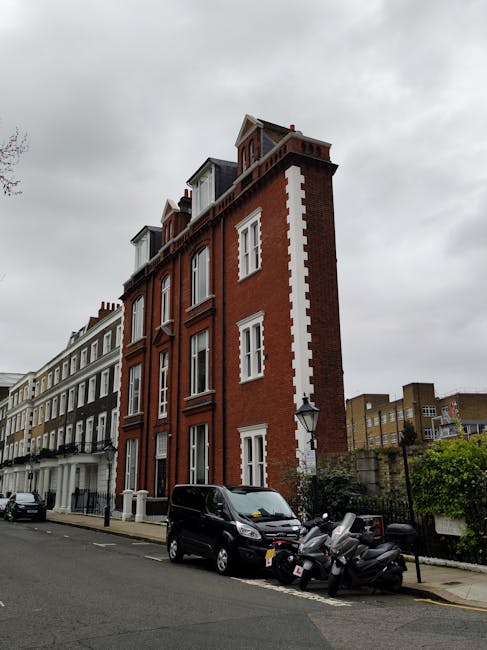
If you live in Kensington or Chelsea, bulky rubbish collection can feel oddly complicated for...
If you have ever tried to price up a clear-out in Kensington, you will know the numbers can feel...

If you live in a Kensington flat with narrow staircases, awkward landings, or a hallway that...

If you need junk gone quickly, same day rubbish removal Kensington delays and solutions is...
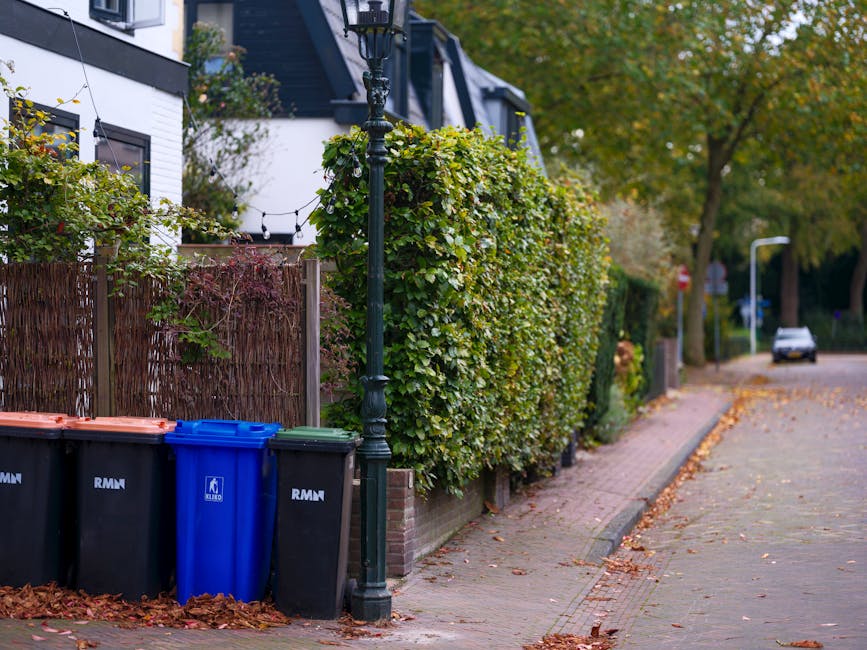
If you have ever booked a rubbish collection and then spotted a surprise line on the invoice, you...
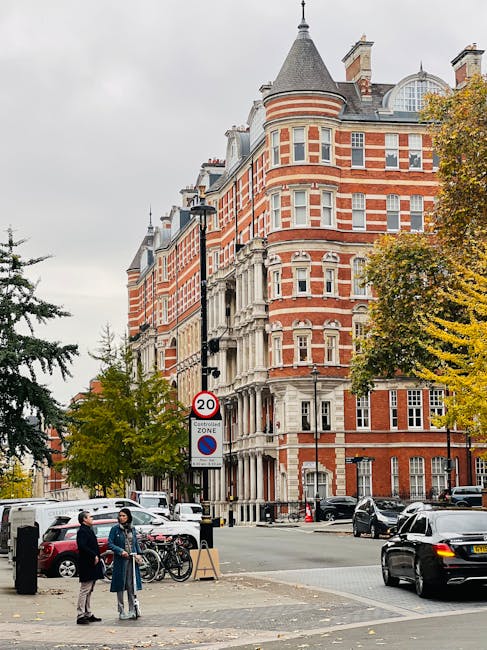
If you are arranging waste collection on Earls Court Road, the tricky part is often not the...

If you are arranging rubbish clearance near South Kensington station, you probably want a simple...
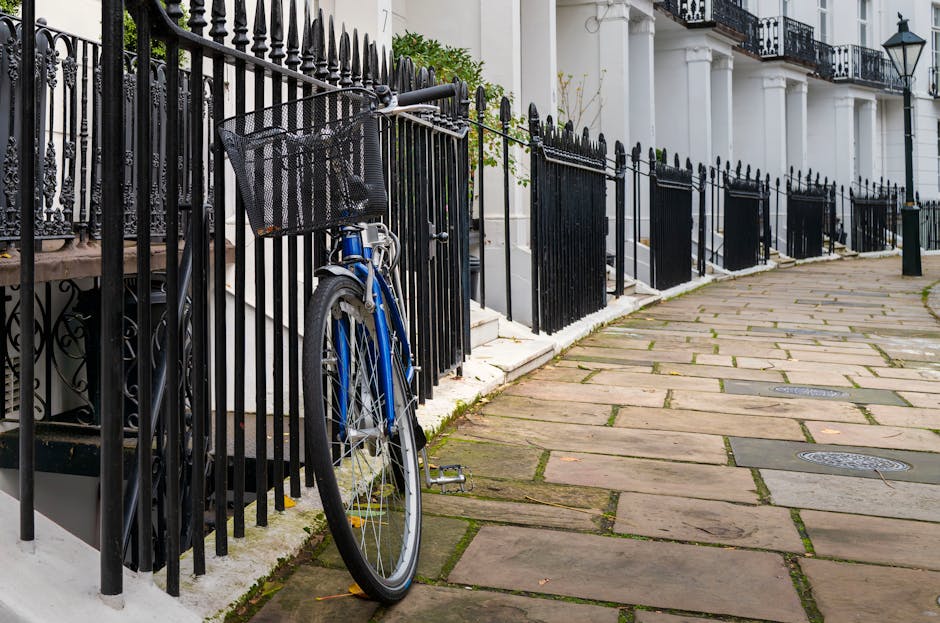
If you live in West Kensington, rubbish can become one of those small everyday jobs that suddenly...

London is a city filled with vibrant energy and bustling streets, but sometimes families need a...

Kensington, a highly desirable neighborhood known for its architecturally stunning homes and...

 (79)
(79)