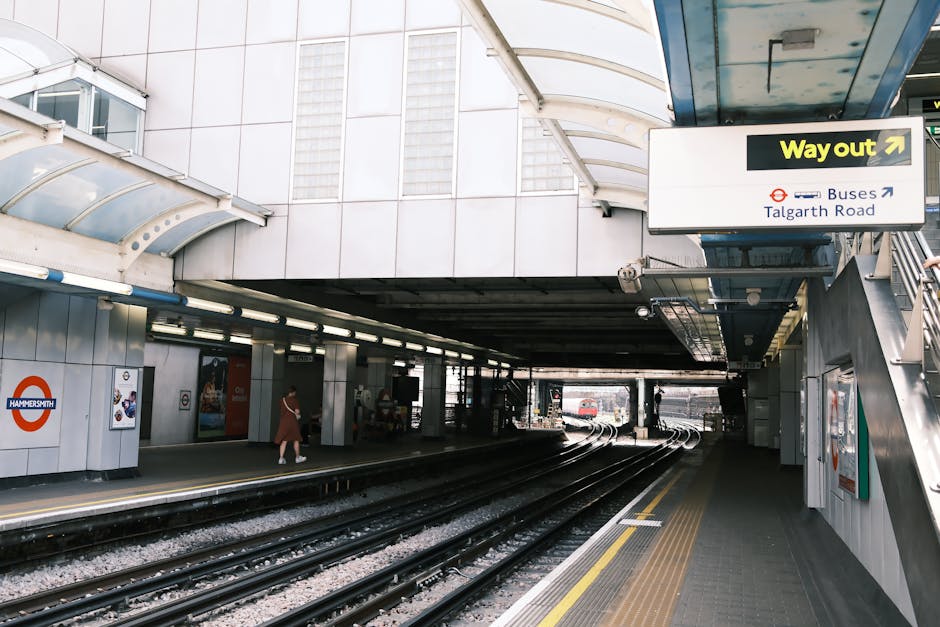
Rubbish clearance near South Kensington station what to expect
Posted on 08/05/2026
Rubbish Clearance Near South Kensington Station: What to Expect
If you are arranging rubbish clearance near South Kensington station, you probably want a simple answer: how fast will it happen, what will be taken, what should it cost, and will it be done properly? Fair questions. In a busy part of London like this, the details matter. Parking can be tight, access can be awkward, and nobody wants a clearance job that turns into an afternoon of delays and guesswork.
This guide explains what to expect from a local rubbish clearance service near South Kensington station, from the first quote through to collection, recycling, and final sign-off. It also covers the practical bits people often miss, like access restrictions, waste transfer paperwork, and how to judge whether a provider is the right fit. If you are comparing options, or just trying to avoid a messy surprise, you are in the right place.

Why Rubbish Clearance Near South Kensington Station Matters
South Kensington has its own rhythm. There are elegant period buildings, museum traffic, busy roads, narrow access points, and the usual London balancing act between convenience and logistics. That is exactly why rubbish clearance here is not quite the same as booking a generic pickup elsewhere. A good service needs to understand the area, the building types, and the practical limits around loading, timing, and access.
For residents, landlords, offices, retailers, and contractors, the right clearance approach saves time and reduces stress. It also helps you avoid the classic headache of leaving bags or bulky items outside for too long. To be fair, most people only think about clearance when the pile has become impossible to ignore. That is normal. A spare mattress in the hallway, a few broken chairs, or renovation debris can suddenly feel like it has taken over the whole flat.
There is also the trust factor. If you are paying someone to remove waste, you want to know it will be handled responsibly. That means proper sorting, legitimate disposal routes, and a service that can explain what happens after collection. For more on how the wider area is served, it can help to look at a broader services overview and the company's waste carrier licence and compliance information before you book.
Practical takeaway: in South Kensington, clearance works best when the provider plans for access, timing, and disposal from the start. The job is not just about lifting items out of the door. It is about doing that cleanly, legally, and without turning your street into a bottleneck.
How Rubbish Clearance Near South Kensington Station Works
The process is usually straightforward, but there are a few moving parts. A good company will ask what you want removed, how much there is, whether it is mixed waste or specific items, and how access works at the property. If the collection is near the station itself, they may also consider road conditions, parking availability, and the time of day. That sounds obvious, yet it is often what separates a smooth job from a frustrating one.
Most rubbish clearance appointments follow a pattern:
- Initial enquiry - You describe the items, location, and access conditions.
- Estimate or quote - The provider gives a price based on volume, weight, item type, and labour needed.
- Scheduling - A time slot is agreed, sometimes with same-day or next-day availability if the job is urgent.
- Arrival and assessment - The team checks access, confirms the waste, and makes sure the quote still fits the actual load.
- Removal and loading - Items are taken out carefully, often from inside the property, basement, loft, office, or courtyard.
- Sorting and disposal - Reusable and recyclable materials are separated where possible; the rest is taken to approved facilities.
- Paperwork and completion - A responsible operator should be able to explain disposal and provide the necessary documentation where appropriate.
In some cases, clearance is simple: one room, a few bulky pieces, and a quick sweep-up afterwards. In others, there is more judgement involved. For example, a flat above a parade of shops may need timed access to avoid peak foot traffic, while an office clearance may need noise kept to a minimum because someone is still working downstairs. Little things. But they matter.
If you are dealing with furniture, appliances, or a larger mixed load, it may be worth checking targeted services such as furniture removal in Kensington or white goods and appliance disposal. That can make the process cleaner and more efficient, especially when the waste is not just general rubbish.
Key Benefits and Practical Advantages
The main benefit is simple: you get rid of unwanted waste without having to organise transport, lifting, sorting, or disposal yourself. But the real value is broader than that. A good clearance service can reduce risk, save time, and keep your home or business space usable. In a busy local area, that can be worth a lot.
- Faster clearance: useful when you are moving, renovating, or need to hand keys back quickly.
- Less physical strain: helpful for bulky items, awkward stairs, or heavy bags.
- Cleaner result: a proper team should leave the area tidier, not just empty.
- Better recycling outcomes: separation and sorting can keep reusable or recyclable materials out of general waste.
- Reduced hassle: no van hire, no multiple trips, no lifting on your own.
There is also the confidence benefit. When a company explains pricing clearly and shows they are properly set up, you spend less time wondering whether you have chosen the wrong people. That peace of mind is underrated. Especially if you are dealing with an end-of-tenancy deadline or a sale completion. If you are moving through a wider property process, the local reading on buying property in Kensington and steps to transact real estate in Kensington can also be useful context.
In short: the best rubbish clearance service near South Kensington station should save you time, protect your property, and deal with the waste in a way that feels orderly rather than chaotic. That is the aim, anyway.
Who This Is For and When It Makes Sense
This kind of service is relevant to more people than you might think. It is not just for major house moves or building sites. In fact, some of the most common jobs are fairly ordinary: a cluttered spare room, a few broken appliances, an office refresh, or leftover packaging after furniture delivery. Nothing dramatic. Just life being life.
Rubbish clearance near South Kensington station often makes sense for:
- Residents clearing out a flat, basement, loft, or storage area.
- Landlords and letting agents preparing a property for new tenants.
- Home movers who need items removed before or after completion.
- Contractors dealing with builders' waste, stripped-out materials, or renovation debris.
- Offices and small businesses disposing of desks, chairs, equipment, or archived clutter.
- Household declutterers who want help with furniture, mixed rubbish, or awkward items.
If you are weighing up whether to book a dedicated clearance or a more general collection, the nature of the waste matters. A single sofa is different from a mixed load of cardboard, plasterboard, broken shelving, and old office gear. For more specific needs, the pages on house clearance, office clearance, and builders' waste disposal are useful next stops.
And yes, timing matters too. If your stairwell is narrow or your building has strict access hours, booking a team that understands local logistics can make the difference between "done by lunch" and "why is this still here at 4pm?".
Step-by-Step Guidance
Here is the cleanest way to approach a clearance job near South Kensington station without overcomplicating it.
1. List what needs to go
Walk through the property and note the items by room. Separate bulky items from smaller mixed rubbish. This helps the quote be more accurate and reduces surprises on the day. A quick photo set is often enough if you are requesting a remote estimate.
2. Flag any access issues
Be upfront about stairs, lifts, narrow corridors, basement access, permit-only parking, or restricted loading windows. A half-hour of clarity at this stage can save a lot more later. If a team knows they will need to carry a wardrobe down three flights in a converted building, they can plan properly. That is just common sense, really.
3. Ask what happens to the waste
Responsible companies should explain whether items are reused, recycled, or sent to disposal facilities. If you are dealing with appliances or mixed waste, you may also want to check their approach to sorting and their commitment to recycling and sustainability.
4. Confirm the price basis
Pricing is usually influenced by volume, labour, type of waste, and access complexity. If a quote sounds vague, ask what is included. Does it cover loading, disposal, and sweep-up? Are there extra charges for heavy lifting or special items? Better to ask now than have an awkward conversation on the doorstep later.
5. Prepare the space
Move personal valuables, cash, documents, and anything you want to keep. Clear a path to the items if you can. You do not need to do the heavy work yourself, but a little prep makes the job faster and cleaner.
6. Be available at the start
If possible, be there when the team arrives. A five-minute walk-through helps confirm the load, the access route, and any last-minute changes. Then the rest usually runs smoothly.
7. Check the finish
Once the waste is removed, look over the area. Has the team taken everything agreed? Has it been swept through? Do you need any paperwork or confirmation? Small final checks save trouble later.
Expert Tips for Better Results
From experience, the best clearance jobs are the ones where everyone knows the shape of the work before it starts. That sounds simple because it is simple. Yet people still underestimate it.
- Photograph everything in daylight. Even a quick 10am photo is better than a dim hallway shot taken after work.
- Group similar materials together. Wood, metal, cardboard, furniture, and general rubbish are easier to assess when they are not all mixed up.
- Check lift access early. In some buildings, the lift is the wildcard. It can speed things up or slow them down, depending on size and permission.
- Schedule around building rhythms. School run time, delivery windows, and rush-hour traffic can all affect the smoothest collection slot.
- Ask for clarity on hidden costs. Not every quote is all-in. That is not automatically bad, but it should be clear.
- Choose a provider that talks about compliance without being prompted. It usually signals a more professional operation.
One small local reality: if you are clearing a property near the station, there may be more footfall, more taxis, more stopping and starting. The team should be used to that. If they seem surprised by basic London logistics, well, that is not ideal.
Useful questions to ask before booking:
- Do you handle mixed rubbish and bulky items?
- Can you manage stairs or awkward access?
- How do you handle recyclable materials?
- Will I get a clear quote in writing?
- What time window do you work to?
Common Mistakes to Avoid
A lot of clearance problems are avoidable. They usually come from rushing the booking or assuming every provider works the same way. They do not.
- Not describing the waste properly. Furniture, plasterboard, appliances, and mixed household rubbish all affect the job differently.
- Forgetting about access. A third-floor walk-up near a busy road is not the same as a ground-floor flat with parking outside.
- Leaving valuables in the clearance zone. It happens more often than people admit. Bits and pieces get swept up in the general chaos.
- Choosing on price alone. Cheap can be fine. Cheap and vague is a different story.
- Assuming waste will be recycled automatically. Ask how the provider sorts loads and where items go.
- Booking too late. If you have a move-out deadline, don't leave it to the night before. That is a recipe for stress.
One thing people sometimes forget is paperwork. If you are hiring a professional waste carrier, there should be an appropriate transfer record or equivalent documentation for the load. It is not glamorous, but it matters. A lot.
Tools, Resources and Recommendations
You do not need much to prepare well, but a few simple tools help:
- Phone camera: to photograph items for a quote.
- Sticky labels or notes: to mark items that must stay.
- Bin bags and boxes: useful for separating smaller loose items.
- Measuring tape: handy when checking whether large furniture can be removed safely.
- Building access details: fob instructions, concierge rules, parking notes, or entry codes.
For planning and pricing context, the page on pricing and quotes can help you understand how estimates are normally presented. If you are comparing providers, it is also worth reading the company's about us page so you know who you are dealing with and how they present their service.
And if you want a wider look at the local area before organising a clearance around a move or refurbishment, the neighbourhood pieces on Kensington insights from locals and the West Kensington rubbish collection guide are useful companion reads.
Law, Compliance, Standards and Best Practice
Waste removal in the UK is not just a matter of loading a van and driving off. Providers should operate within accepted waste handling rules and should be able to show that they are authorised to carry waste. For customers, the practical takeaway is simple: use a company that can explain its responsibilities clearly and behaves in a traceable, professional way.
Best practice usually includes:
- Using a licensed waste carrier. Always check this before booking.
- Keeping transfer records where required. This protects both the customer and the operator.
- Sorting recyclable materials responsibly. Especially for mixed loads and renovation waste.
- Handling restricted items carefully. Some materials need specialist treatment or separate collection.
- Respecting safety standards on site. That includes safe lifting, careful movement through shared areas, and sensible PPE where needed.
It is also sensible to review related trust pages such as insurance and safety, terms and conditions, and payment and security. Those pages are not exciting, granted. But they tell you a lot about how seriously a business treats the job.
If you are the sort of person who likes a quick check before saying yes, that is a good instinct. Trust your instinct, but verify it too. A reputable provider should be comfortable with that.
Options, Methods and Comparison Table
There are several ways to clear waste near South Kensington station. The right one depends on what you are removing, how quickly you need it done, and how much lifting you want to avoid.
| Method | Best for | Pros | Things to watch |
|---|---|---|---|
| Full rubbish clearance service | Mixed loads, bulky items, whole-room clearances | Fast, convenient, labour included | Price varies with volume and access |
| Bulky item removal | Sofas, beds, wardrobes, appliances | Simple for single items | May not suit mixed waste |
| General waste collection | Smaller bags and everyday household waste | Good for lighter clear-outs | Less suitable for heavy or awkward items |
| Specialist clearance | Offices, lofts, builders' waste, white goods | Tailored handling and disposal | Needs accurate item description |
For many readers, the best fit is a general waste clearance or rubbish collection service. But if you are clearing specific rooms or asset types, the specialist route can be cleaner and often more efficient. Truth be told, matching the service to the waste is one of the easiest ways to avoid paying for the wrong thing.
Case Study or Real-World Example
A typical local scenario goes like this. A two-bedroom flat near South Kensington station has a mix of items after a long-overdue declutter: one sofa, a broken bedside table, three bags of general rubbish, an old monitor, and a handful of boxes from a recent delivery. The hallway is narrow. There is a lift, but it is small, and the building has a quiet-hours policy in the evening.
The resident sends a few daylight photos, confirms access details, and books a morning slot. On arrival, the team checks the load, confirms the quoted scope, and starts with the larger items first so the route stays clear. The boxes and loose bags are handled separately, and the monitor is treated with the care you would expect from an experienced crew. The job is done, the space is swept through, and the resident is able to get on with the day.
Nothing dramatic happened. That is the point. A good clearance should feel almost uneventful in the best possible way. Calm, quick, tidy. The sort of job you barely want to remember because it just worked.
For a bigger household clearance, you might instead look at house clearance in Kensington or, if the clutter has spread into upper storage, loft clearance. Those services are especially useful when there is more sorting involved.
Practical Checklist
Use this before the collection day. It keeps things simple.
- List every item or room that needs clearing.
- Take photos in good light for an accurate quote.
- Confirm access details, parking, and any building rules.
- Separate items you want to keep.
- Ask whether the company is a licensed waste carrier.
- Check what the quote includes: labour, loading, disposal, and sweep-up.
- Ask how recyclable or reusable items are handled.
- Confirm the collection time and whether delays are likely.
- Keep paperwork or confirmation of the booking handy.
- Do a final walk-through before the team leaves.
If your clearance involves a home move, a refurbishment, or an office handover, this checklist is worth saving. Small jobs become easier when the basic details are already sorted. Funny how that works.
Conclusion
Rubbish clearance near South Kensington station should be practical, tidy, and well organised. You should expect clear communication, realistic pricing, careful handling of items, and a team that understands local access conditions. You should also expect a professional approach to disposal, not just collection. That distinction matters more than people realise.
If you take one thing from this guide, let it be this: the best clearance experience starts before the van arrives. A few good photos, honest details about access, and the right service choice can save time, money, and stress. That is especially true in a busy area where space is tight and timing counts.
Get a free quote today and see how much you can save.
And if you are still deciding, that is fine. Take a breath, check the details, and choose the option that feels properly considered. The right clearance makes the room feel lighter, the day feel easier, and the whole thing just a bit more manageable. Nice when that happens, really.