Avoid fines for illegal rubbish dumping near Kensington Gardens
Posted on 17/08/2026
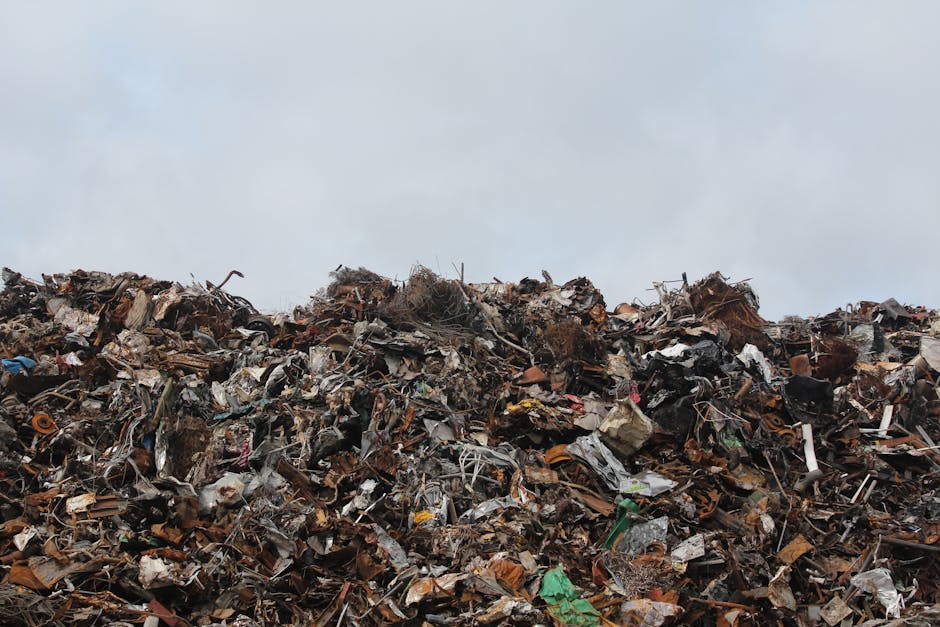
Avoid fines for illegal rubbish dumping near Kensington Gardens: a practical local guide
If you live, work, manage property, or run a business near Kensington Gardens, rubbish is one of those things you only notice when it becomes a problem. A bag left beside the wrong bin, a sofa dumped "just for now," or a builder's skip placed without care can quickly turn into a fine, a complaint, or an awkward knock on the door. This guide explains how to avoid fines for illegal rubbish dumping near Kensington Gardens with clear, sensible steps that fit real life in this part of London.
Truth be told, most problems do not start with blatant fly-tipping. They start with a rush, a missed collection, a hallway full of old furniture, or a bad decision made at 8.15pm when everyone is tired. The good news? With the right habits, the risk is very manageable. Let's walk through what matters, what to do, and how to stay on the right side of local rules without making waste disposal a full-time hobby.
Why Avoid fines for illegal rubbish dumping near Kensington Gardens Matters
Kensington Gardens sits in one of the most visible, heavily used parts of west London. That alone changes the stakes. Streets can be busy, visitors are constant, and waste left out in the wrong place does not stay unnoticed for long. A single pile of rubbish can affect pedestrians, nearby residents, local businesses, and the general feel of the area.
Illegal dumping, often called fly-tipping, is not just untidy. It can attract more waste, block pavements, create smells, and make an area look neglected in a matter of hours. In a neighbourhood where buildings are close together and foot traffic is high, one careless disposal can cause a chain reaction. And yes, fines are only part of the headache. There may also be cleanup costs, collection delays, and the time lost dealing with complaints.
For landlords, letting agents, office managers, shop owners, and homeowners, this matters even more. Waste left outside at the wrong time can be blamed on the wrong person, especially if there is no clear record of who arranged disposal. That is why a simple, reliable disposal routine is worth more than people think. It saves stress, saves money, and keeps everyone on better terms with neighbours.
Key takeaway: near Kensington Gardens, waste problems escalate quickly because the area is busy, visible, and closely monitored. A small mistake can become a fine, a complaint, or both.
How Avoid fines for illegal rubbish dumping near Kensington Gardens Works
The basic principle is straightforward: do not leave waste where it should not be, and make sure anyone handling your rubbish is doing so properly. In practice, that means knowing what counts as household waste, bulky waste, builder's waste, garden waste, and commercial rubbish, then choosing the right disposal route for each type.
If you are arranging removal yourself, you need to think about timing, sorting, and where items are going. If you are using a waste carrier, you need to make sure they are legitimate, insured, and compliant. That sounds obvious, but dodgy operators often look perfectly ordinary at first glance. A cheap quote and a van are not proof of proper disposal. Not even close.
In local terms, the safe route is usually one of the following:
- Use the correct council collection process for the waste type.
- Book a licensed rubbish removal service for bulky or mixed waste.
- Keep waste on your property until collection, not on the pavement.
- Document what was removed, when, and by whom.
- Separate hazardous items so they are not handled as ordinary rubbish.
For larger clearances, it also helps to plan access. Kensington streets can be tight, with parking restrictions and awkward loading points. If the team cannot park, or the waste is left blocking a shared entrance, trouble follows. A little planning avoids that scramble.
Key Benefits and Practical Advantages
There is the obvious benefit: you reduce the chance of fines. But the real value goes deeper than that. A tidy disposal process makes everyday life calmer. It also helps you protect your property, your reputation, and your time.
Here are the main advantages of handling rubbish correctly near Kensington Gardens:
- Lower enforcement risk: you avoid the sort of visible waste placement that invites complaints or investigation.
- Cleaner frontage: your property looks cared for, which matters in a high-visibility area.
- Faster turnaround: organised waste is easier to remove, recycle, and document.
- Better neighbour relations: nobody enjoys stepping around a bin bag on the way to work.
- More control over costs: proper disposal usually costs less than dealing with a mistake after the fact.
There is also a practical business benefit. If you are a landlord or managing a short-let, a clean waste routine makes handovers smoother. If you run an office or retail unit, it keeps your frontage presentable and reduces the chance of awkward reports from passers-by. Small detail, big impact.
For residents in flats, the advantage is simpler still: fewer disputes over who was meant to take the bins out. That one never gets old, does it?
Who This Is For and When It Makes Sense
This guidance is for anyone who might generate or move waste near Kensington Gardens. That includes homeowners, tenants, landlords, property managers, builders, office teams, hospitality businesses, and anyone doing a clear-out after a move, renovation, or garden project.
It makes especially good sense if you are dealing with any of the following:
- a house clearance or loft clearance
- bulky furniture or white goods
- builders' rubble, plasterboard, timber, or packaging
- garden cuttings, soil, or outdoor furniture
- office files, desks, chairs, and general commercial waste
- mixed rubbish after a renovation, tenancy change, or event
It also matters if you are under time pressure. Same-day decisions can lead to bad disposal choices, and that is where people stumble. If you are preparing for a move, for example, the waste often piles up just as the pressure is highest. In that moment, a clear plan is worth its weight in gold.
If you want a broader picture of the local area and how people use it day to day, the Kensington insights from locals piece is a useful read. It helps place the practical waste issue into the wider rhythm of neighbourhood life.
Step-by-Step Guidance
Here is a simple, low-drama way to stay compliant and avoid fines.
- Identify the waste type. Separate household rubbish, bulky items, garden waste, and construction waste. If you mix everything together, disposal gets harder and riskier.
- Check whether council collection is suitable. Some items can go through standard or bulky collection routes, while others need a licensed private collection. Do not assume.
- Keep waste on private property until pickup. Leaving bags, furniture, or rubble on the pavement is one of the easiest ways to create an issue.
- Choose a licensed carrier for anything larger or more complex. Ask for proper business details and make sure the service is set up to dispose of waste legally.
- Ask how the waste will be handled. Reuse, recycling, transfer stations, landfill, specialist treatment - the answer should make sense for the items you are moving.
- Get written confirmation. A simple receipt or job record is useful if questions arise later.
- Time the collection carefully. In busy areas, early morning or well-coordinated pickup windows often work better than a vague afternoon promise.
- Inspect the area afterwards. Check that no debris, packaging, or stray items have been left behind. You would be surprised how often that final sweep gets skipped.
If you are dealing with a tighter property layout, see rubbish removal for flats with tight stairs in Kensington. Access issues are a real thing here, not a theoretical one. Narrow stairwells, shared entrances, and limited lift access can affect how waste should be removed safely and quietly.
For local collection expectations, the guide on Kensington and Chelsea Council rules for bulky rubbish collection is also worth reading alongside this article, especially if you are deciding between council and private removal options.
Expert Tips for Better Results
In our experience, the people who avoid problems most reliably are not necessarily the most organised. They just make a few smart decisions early. Simple as that.
- Photograph the waste before collection. This helps if you need a record of what was removed, especially after a clearance or move-out.
- Separate anything sharp, heavy, wet, or awkward. Old mirrors, broken furniture, plaster, soil, and paint tins should not be tossed in casually.
- Keep a small buffer for timing. If collection is booked for the morning, do not wait until the last minute to move items outside.
- Ask about parking and access before the day. A van circling the block because no loading plan was discussed is a headache you do not need.
- Use one disposal route per load where possible. Mixed and half-sorted piles are where mistakes creep in.
- Check for hidden extras before booking. The cheapest quote is not always the best value if the final bill grows later. There is a whole discussion on that in avoiding hidden rubbish collection charges in Kensington.
A small bit of common sense goes a long way. If an operator cannot explain where your waste is going, or becomes vague the moment you ask about paperwork, that is usually your cue to step back. No fuss, no drama, just move on.

Common Mistakes to Avoid
Most fines and complaints come from predictable mistakes. The good news is that nearly all of them are avoidable.
- Leaving waste outside too early: even a short delay can turn a tidy pile into an obstruction.
- Assuming a friend with a van is enough: vehicle size is not the same as legal compliance.
- Using unlicensed disposal options: if waste disappears and reappears elsewhere, the original owner may still face consequences.
- Mixing hazardous and general waste: batteries, paint, chemicals, and electrical items need more care.
- Forgetting about bulky items in communal spaces: halls, stairwells, and shared gardens are not storage areas.
- Not checking collection timing around events or busy periods: Kensington can get especially congested, and delays can nudge waste into the wrong place.
One of the sneakiest issues is "temporary" placement. A chair goes outside for an hour, then overnight, then someone else notices it in the morning. Next thing you know, it is the sort of thing people photograph and report. It happens more often than people admit.
Another mistake is failing to think about the end of the job. If you are clearing a flat after tenants leave, for example, rubbish often hides in cupboards, behind beds, and in the corner of a balcony. You think the room is empty. It is not. Not quite.
Tools, Resources and Recommendations
You do not need complicated systems. A few simple tools and habits are enough to keep things under control.
- A basic waste inventory: a quick list of what needs removing stops items being forgotten.
- Photo records: useful before and after a clearance, especially for property managers.
- Clear labels or bags: helps separate general waste, recycling, garden waste, and special items.
- Access notes: width of gates, stair access, lift availability, parking restrictions, and loading times.
- Written confirmation from the collector: keeps everyone aligned and reduces the chance of confusion later.
If you are comparing waste-related services, the site's services overview can help you see the broader range of support available, while pricing and quotes is useful when you want to understand cost structure before booking.
For disposal categories, these pages are especially practical depending on the job:
- waste disposal in Kensington
- rubbish collection in Kensington
- waste clearance in Kensington
- furniture removal in Kensington
- builders' waste disposal in Kensington
If you are handling a home clearance or something a bit messier than usual, house clearance in Kensington and loft clearance in Kensington are also relevant starting points. For business owners, office clearance in Kensington and commercial waste removal in Kensington can be helpful too.
Law, Compliance, Standards, or Best Practice
Waste disposal in the UK sits under a framework of legal duties and best-practice expectations. You do not need to memorise every line of legislation to stay safe, but you do need to understand the broad shape of responsibility. In plain English: if you produce waste, you remain responsible for handling it properly until it is transferred to someone authorised to take it.
That is why it matters so much to use a reputable, compliant carrier. If waste ends up dumped illegally and can be traced back to you, ignorance is not much of a defence. Not a great feeling, to be fair.
Good practice usually means:
- using a licensed waste carrier
- keeping proof of transfer or collection
- separating recyclable items where possible
- handling hazardous waste separately
- not placing waste on public land without permission
- staying within the rules that apply to your premises or property type
If you want a broader trust signal before booking anything, the site's waste carrier licence and compliance page explains the standards you should expect from a proper operator. That one matters more than glossy branding or a nice van.
There are also practical supporting pages on insurance and safety, recycling and sustainability, and terms and conditions. Together, they give you a better sense of how a responsible service should behave.
Options, Methods, or Comparison Table
Choosing the right disposal method depends on what you are throwing away, how quickly it needs to go, and how much access you have. Here is a simple comparison to help.
| Method | Best for | Strengths | Watch-outs |
|---|---|---|---|
| Council collection | Standard household waste and some bulky items | Familiar process, suitable for routine disposal | May not suit urgent jobs, mixed waste, or awkward items |
| Licensed private collection | Bulky, mixed, or time-sensitive waste | Flexible timing, helpful for property clearances | You need to check compliance and pricing carefully |
| DIY trip to a disposal site | Small loads where transport is easy | Direct control, useful for small-scale clear-outs | Time-consuming, access and vehicle issues, manual handling risk |
| On-site sorting before removal | Homes, offices, and renovation projects | Improves recycling and simplifies pickup | Requires discipline and space |
In practice, many people near Kensington Gardens use a hybrid approach. A few bags go via routine collection, bulky items are booked separately, and anything awkward gets handled by a licensed team. That mix is often the sweet spot.
Case Study or Real-World Example
Picture a small flat just off a busy Kensington street after a tenancy change. There is an old wardrobe, a broken chair, three black bags of mixed clutter, and a few bits of packaging from flat-pack furniture. The temptation is to stack it all by the communal entrance and deal with it "later."
Instead, the resident sorts the waste into three groups: reusable items, general rubbish, and bulky furniture. The furniture is booked for removal, the general rubbish is bagged and kept inside until pickup, and nothing goes onto the pavement overnight. The building manager is told the collection window in advance. It is all a bit unglamorous, but it works.
Now imagine the alternative. The items are left outside the front door because the person is in a hurry. It rains. Pedestrians pass. A neighbour complains. A missing bag or two turns into an accusation. Suddenly, the job that should have taken one organised morning becomes a messy back-and-forth with no one happy.
That's the real lesson. Compliance is rarely dramatic. It is mostly boring little decisions made on time. Which, oddly enough, is exactly why it saves people from expensive trouble.
If you are dealing with a time-sensitive clear-out, the article on same-day rubbish removal in Kensington is a useful companion read, and the real cost of rubbish removal in Kensington helps you budget more accurately before you commit.
Practical Checklist
Use this quick checklist before any disposal day near Kensington Gardens:
- Have I identified every item that needs to go?
- Have I separated bulky, general, recyclable, and hazardous waste?
- Is the waste staying on private property until collection?
- Do I know who is collecting it and whether they are properly licensed?
- Have I confirmed the collection time and access details?
- Do I have a record or receipt for the collection?
- Have I checked for hidden items in cupboards, lofts, balconies, or storage areas?
- Is there a clear plan for anything too large, sharp, or awkward to move safely?
- Have I avoided leaving anything on the pavement or beside a public bin?
- After the job, have I checked the area for stray debris or packaging?
If you tick those off, you are already ahead of most people. Honestly, that is half the battle.
Conclusion
To avoid fines for illegal rubbish dumping near Kensington Gardens, keep the process simple: sort waste properly, use lawful disposal routes, stay off pavements, and keep records. The area is too visible, too busy, and too connected to get casual about rubbish. A rushed mistake can cost far more than a careful plan.
Whether you are clearing a flat, emptying an office, dealing with builders' waste, or just trying to get rid of one stubborn sofa, the safest route is the one that leaves no doubt about where the waste went. That is the heart of it.
Get a free quote today and see how much you can save.
And if you are still deciding how to handle the job, take a breath, gather the details, and choose the cleanest path. Future-you will be very glad you did.

 Tipper Van - Waste Disposal and Rubbish Removal Prices in Kensington, W8
 Luton Van -